CENTER FOR GUN VIOLENCE RESEARCH
Gun violence is a complex public health challenge.
Gun violence is not a single problem. It includes firearm suicide, homicide and interpersonal violence, intimate partner violence, unintentional firearm injury, and the consequences of exposure to violence. These outcomes arise from interacting individual, family, community, environmental, and structural factors.
Understanding and preventing gun violence requires science that crosses traditional disciplinary boundaries.
44,447
people died from firearm injuries in the United States in 2024.
27,593
firearm suicide deaths occurred in the United States in 2024.
3 in 4
firearms involved in unintentional firearm deaths among children were stored unlocked.
OUR MISSION
Turning rigorous science into stronger prevention.
Our mission is to advance rigorous, multidisciplinary research that prevents gun violence and firearm-related harm, trains the next generation of prevention scientists, and translates discovery into practice, systems, and policy.
The Center serves as a scientific hub for gun violence research, bringing investigators across disciplines together around shared questions, collaborative studies, innovative prevention strategies, and large-scale research initiatives. We also serve as a trusted scientific and evaluation resource for community partners and state and local agencies seeking evidence, expertise, and rigorous approaches to prevention.
OUR RESEARCH
From understanding risk to changing outcomes.
Gun violence is shaped by interacting biological, psychological, social, environmental, and structural processes. Our research integrates these levels of analysis to understand how risk develops, identify prevention opportunities, and translate discovery into effective strategies for individuals, families, communities, and systems.
BIOPSYCHOSOCIAL MECHANISMS OF RISK AND RESILIENCE
We study the developmental, neurobehavioral, psychological, interpersonal, family, community, and structural processes that shape firearm violence, suicide, violence exposure, and recovery. By identifying modifiable mechanisms of risk and protection, we seek to define more precise targets for prevention.
PREVENTION AND INTERVENTION SCIENCE
We develop, adapt, and rigorously test strategies to prevent firearm harm across the lifespan. This work includes youth and community violence prevention, firearm suicide prevention, lethal means safety, secure firearm storage, and interventions delivered in clinical, school, family, and community settings.
INNOVATION, METHODS, AND TECHNOLOGY
We use advanced measurement, data science, psychophysiology, neuroscience, engineering, digital tools, and emerging technologies to strengthen how gun violence is studied and prevented. These approaches allow us to develop new methods, identify novel prevention targets, and create scalable solutions.
IMPLEMENTATION, POLICY, AND POPULATION IMPACT
We study how effective prevention strategies can be implemented, scaled, sustained, and evaluated in real-world settings. We also generate rigorous evidence on programs, systems, and policies to inform public health practice and decision-making.
Across these priorities, our work addresses youth and community firearm violence, suicide, firearm safety and storage, intimate partner violence involving firearms, unintentional injury, and the health consequences of violence exposure.
MULTIDISCIPLINARY SCIENCE
A complex problem requires a multidisciplinary team.
No single discipline can fully explain why gun violence occurs or how best to prevent it.
The Center brings together expertise in public health, prevention science, psychology, psychiatry, criminal justice and policy, developmental science, neuroscience, trauma, addiction, biostatistics, implementation science, social work, education, nursing, engineering, and immersive media.
By combining these perspectives, our teams can follow a scientific question from mechanism discovery to intervention development, rigorous evaluation, implementation, scale-up, and population impact.
$50M
in NIH, CDC, and NSF research funding.
2,000+
peer-reviewed publications authored by center faculty.
8
VCU schools and colleges represented across one multidisciplinary research team.
OUR PEOPLE
A multidisciplinary team. A shared scientific mission.
Our faculty bring complementary expertise to one of public health's most complex challenges. Together, they span the scientific continuum from understanding risk mechanisms to intervention development, rigorous evaluation, implementation, and population impact.
Center Director
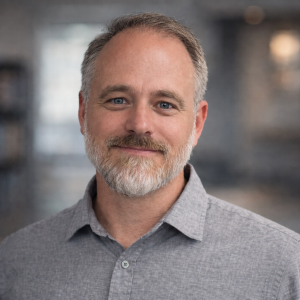
Nicholas D. Thomson, Ph.D.
Expertise: Gun violence prevention; developmental and behavioral risk; psychophysiology; intervention development; randomized trials; technology-enabled prevention
Biospychosocial Mechanisms of Risk and Resilience
Understanding the biological, psychological, developmental, social, and structural processes that shape risk, resilience, and firearm-related harm.
James Blair, Ph.D.
Expertise: Cognitive neuroscience; aggression; neurobehavioral mechanisms; developmental psychopathology

James M. Bjork, Ph.D.
Expertise: Developmental cognitive neuroscience; reward processing; inhibitory control; longitudinal research

Ananda B. Amstadter, Ph.D.
Expertise: Traumatic stress; resilience; psychiatric genetics; violence exposure

Jasmin L. Vassileva, Ph.D.
Expertise: Neurocognition; impulsivity; decision-making; substance use; externalizing psychopathology

F. Gerard Moeller, M.D.
Expertise: Addiction; neurobehavioral science; clinical-translational research
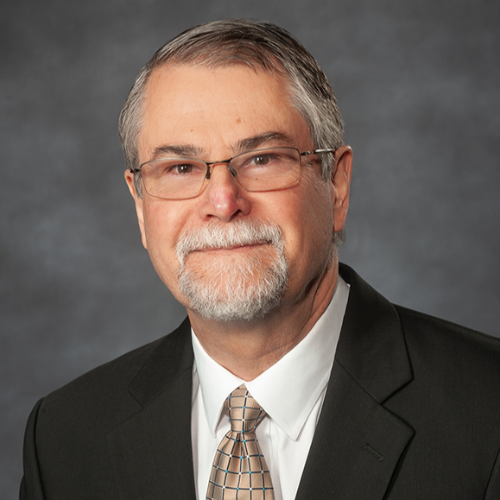
Dace S. Svikis, Ph.D.
Expertise: Addiction; behavioral intervention; clinical trials; women's health
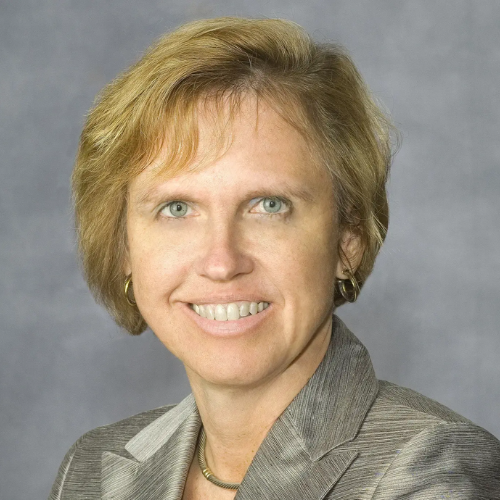
Dean Krusienski, Ph.D.
Expertise: Biomedical engineering; physiological measurement; neural signal processing; prevention technology
Prevention and intervention science
Developing and rigorously testing strategies to prevent firearm violence, suicide, and related harm across populations and settings.
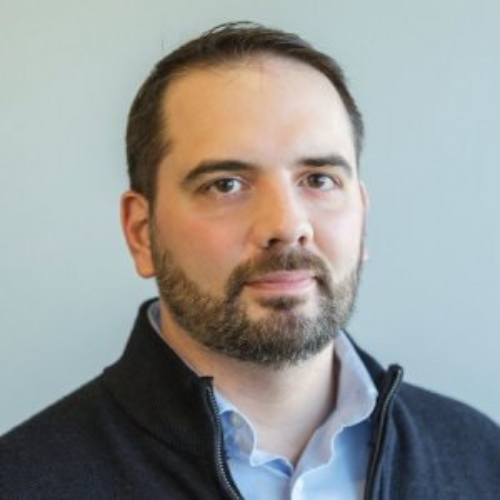
Terri N. Sullivan, Ph.D.
Expertise: Youth violence prevention; developmental psychology; community-engaged research; longitudinal research

Ekaterina Stepanova, M.D., Ph.D.
Expertise: Child and adolescent psychiatry; aggression; clinical research; intervention development
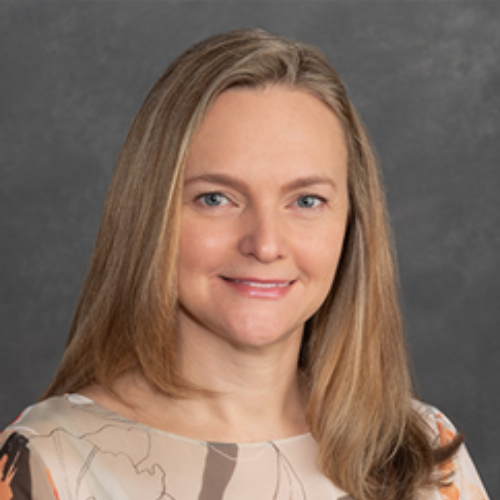
Amy L. Salisbury, Ph.D., R.N., FAAN
Expertise: Behavioral health; clinical research; developmental and physiological assessment; interdisciplinary health research
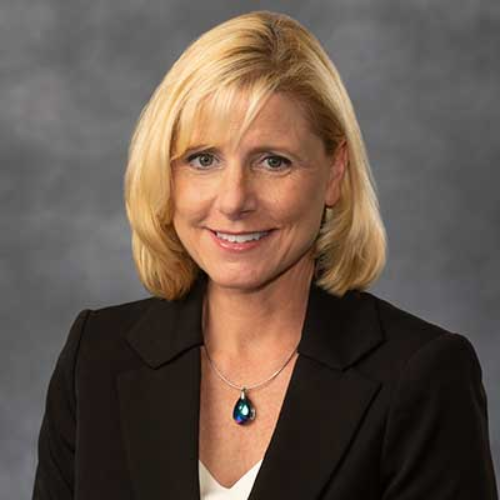
Bryce D. McLeod, Ph.D.
Expertise: Implementation science; intervention fidelity; measurement; youth mental health
Innovation, methods, and technology
Advancing measurement, data science, engineering, and emerging technologies to strengthen research and create new approaches to prevention.
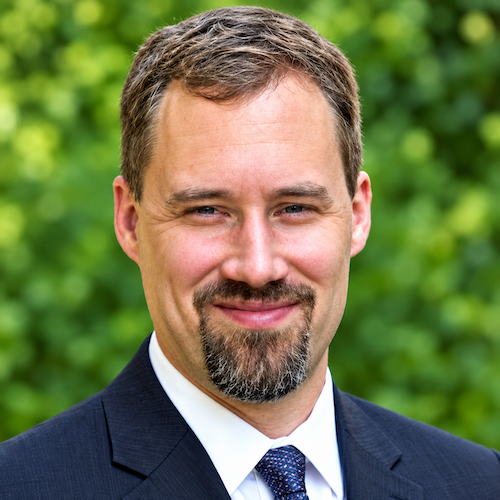
Robert A. Perera, Ph.D.
Expertise: Biostatistics; study design; quantitative methods; measurement

Jason Bennett
Expertise: Immersive media; intervention design; game art and animation; scientific communication

Albert D. Farrell, Ph.D.
Expertise: Youth violence prevention; developmental research; intervention evaluation; community prevention
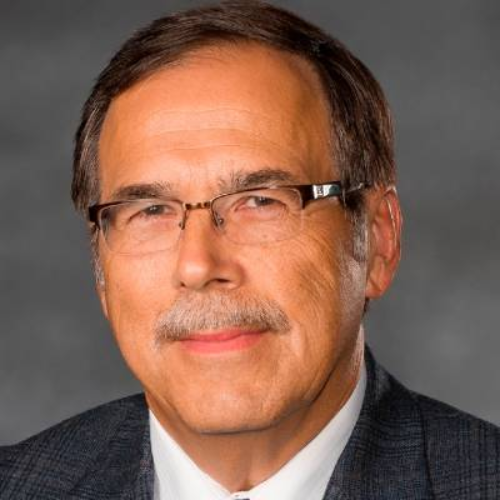
Semi Ryu, Ph.D.
Expertise: Extended reality; virtual reality; avatars; emotion AI; immersive storytelling; arts and health
.png)
Implementation, systems, policy, and population impact
Evaluating how prevention strategies, programs, systems, and policies can be implemented, scaled, sustained, and translated into population-level impact.
Robyn Diehl McDougle, Ph.D.
Expertise: Community violence; violent crime; program evaluation; police-community relations; public safety; policy translation
.jpg)
Derek Chapman, Ph.D.
Expertise: Social determinants of health; population health; community-engaged research; place and health; health disparities; policy-relevant research
.png)
Kevin S. Sutherland, Ph.D.
Expertise: School-based prevention; behavioral intervention; implementation; large-scale trials
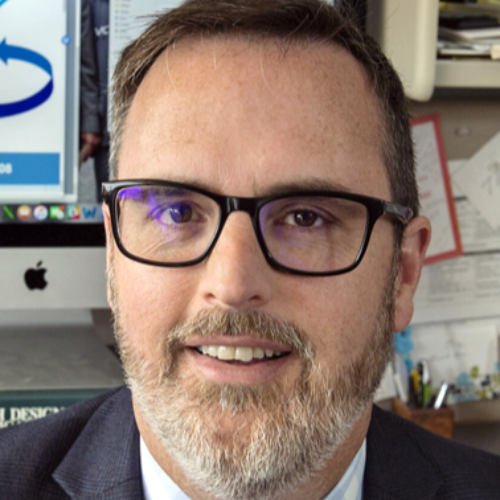
Gary S. Cuddeback, Ph.D.
Expertise: Mental health services; social work; justice-involved populations; systems research
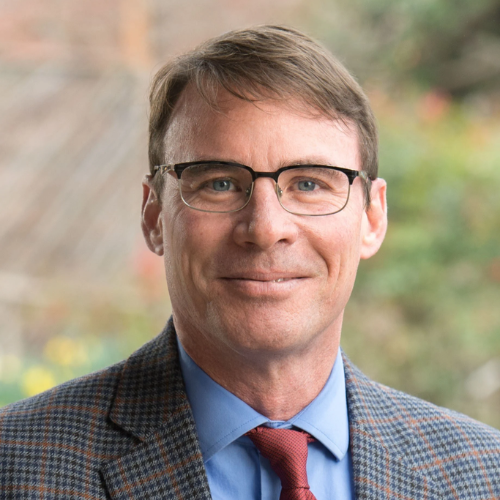
FEATURED RESEARCH
Research that moves from discovery to prevention.
Addressing Social Isolation May Be Vital To Preventing Mass Shootings
Reducing gun violence with the help of virtual reality
Richmond’s youth violence risk overlaps with historic redlining, new VCU research finds
The first Handbook on Gun Violence published with contributions from over 80 leading scientists
WORKING TOGETHER FOR IMPACT
Gun violence prevention is a collective effort.
We bring the science and expertise needed to strengthen the evidence base, evaluate what works, and help partners build more effective prevention approaches.
For Researchers
Build multidisciplinary research teams.
We collaborate with investigators on studies, manuscripts, grant applications, methods, intervention development, and large-scale multidisciplinary research programs.
For Government, Public Agencies, and Community Partners
Bring rigorous evidence to complex questions.
We work with state and local agencies to interpret research, develop scientifically rigorous studies and evaluations, measure outcomes, and generate evidence relevant to public decision-making.
For Media
Connect with a scientific expert.
Our faculty are available to provide evidence-based context and commentary on gun violence, firearm suicide, youth and community violence, developmental and behavioral risk, prevention interventions, secure storage, implementation, and emerging research.
TRAINING THE NEXT GENERATION
Building the future of gun violence prevention science.
The Center embeds students, trainees, and early-career investigators in active multidisciplinary research. Through mentorship, collaborative projects, methods training, and participation in externally funded studies, we aim to develop the next generation of scientists equipped to advance firearm violence prevention. If you’re interested in volunteering in our research, please contact us.
RESOURCES
Data, prevention, and support resources
Explore Virginia Department of Health dashboards on firearm-related emergency department visits, deaths, and population patterns across the Commonwealth.
Access Virginia data and reports on homicide, suicide, unintentional firearm deaths, and the circumstances surrounding violent deaths.
Find evidence-based information and resources on firearm injury prevention, secure storage, and suicide prevention from the Virginia Department of Health.
Explore national data, research, and evidence-based approaches to preventing firearm injury and death.
Free, confidential crisis support is available 24 hours a day, 7 days a week. Call or text 988 to connect with a trained crisis worker.
Find local resources for housing, food, health care, mental health, family support, transportation, and other community needs across Virginia.
If you or someone you know is experiencing a mental health or suicide crisis, call or text 988. If there is an immediate threat to life or safety, call 911.